



 LIMITED TIME
Last Sale Of The Year!
Up to 20% off at checkout on the YoraHome Store.
Grab All The Yoras You Want!
Carving Machines
15% off Yora 3018-Pro Machine
15% off Yora 3018-Pro Accessories
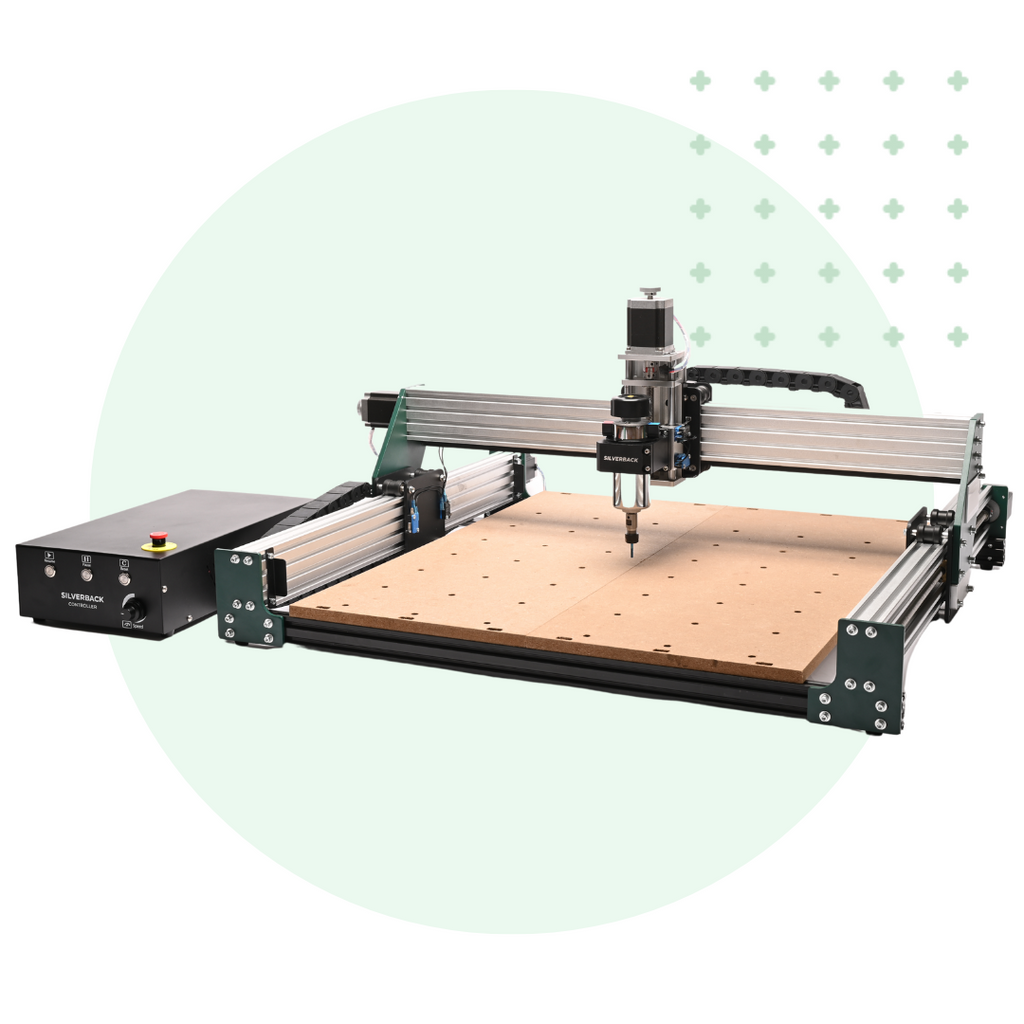
$100 off Yora SilverBack Machine
8% off Yora SilverBack Accessories
15% off Yora Router Bits
Laser Engravers
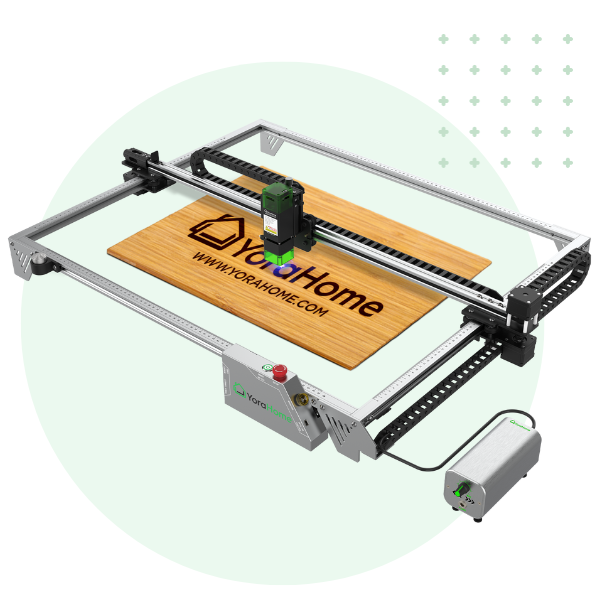
15% off Yora 6550 Machine
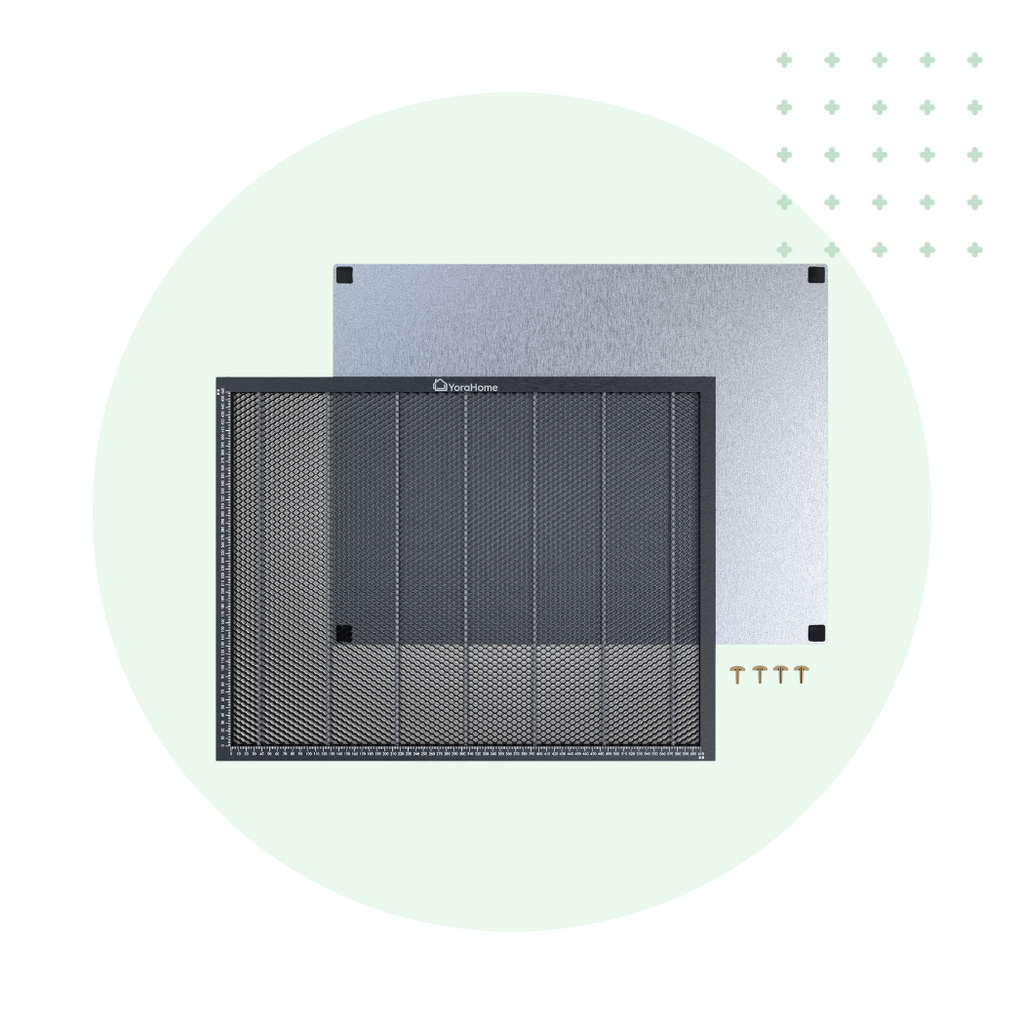
15% off Yora 6550 Accessories
15% off Yora Mini Laser Engraver
15% off Yora Draw
$200 off Yora CO2 Laser Engravers
$200 off Yora Fiber Laser Engravers
3D Printers
$10 off Yora Ender-3 V2
$30 off Yora CR-6 SE
$40 off Yora Ender-5 Pro
→Each printer comes with 3x Free bonus items
3D Filaments And Accessories
20% off Yora PLA Filaments
15% off Yora 3D Printers Accessories
1x Free Yora Filament Dryer For 1x 3D Printer + 5x PLA Filaments or 10x PLA Filaments
Woodworking Tools: 20% off
Home And Office Accessories: 20% off
Get Amazing Free Items With The Gorilla Bundles!
#1: 1x Free Yora 3018 Essential Bits For 1x Yora 3018 + 1x Yora 6550
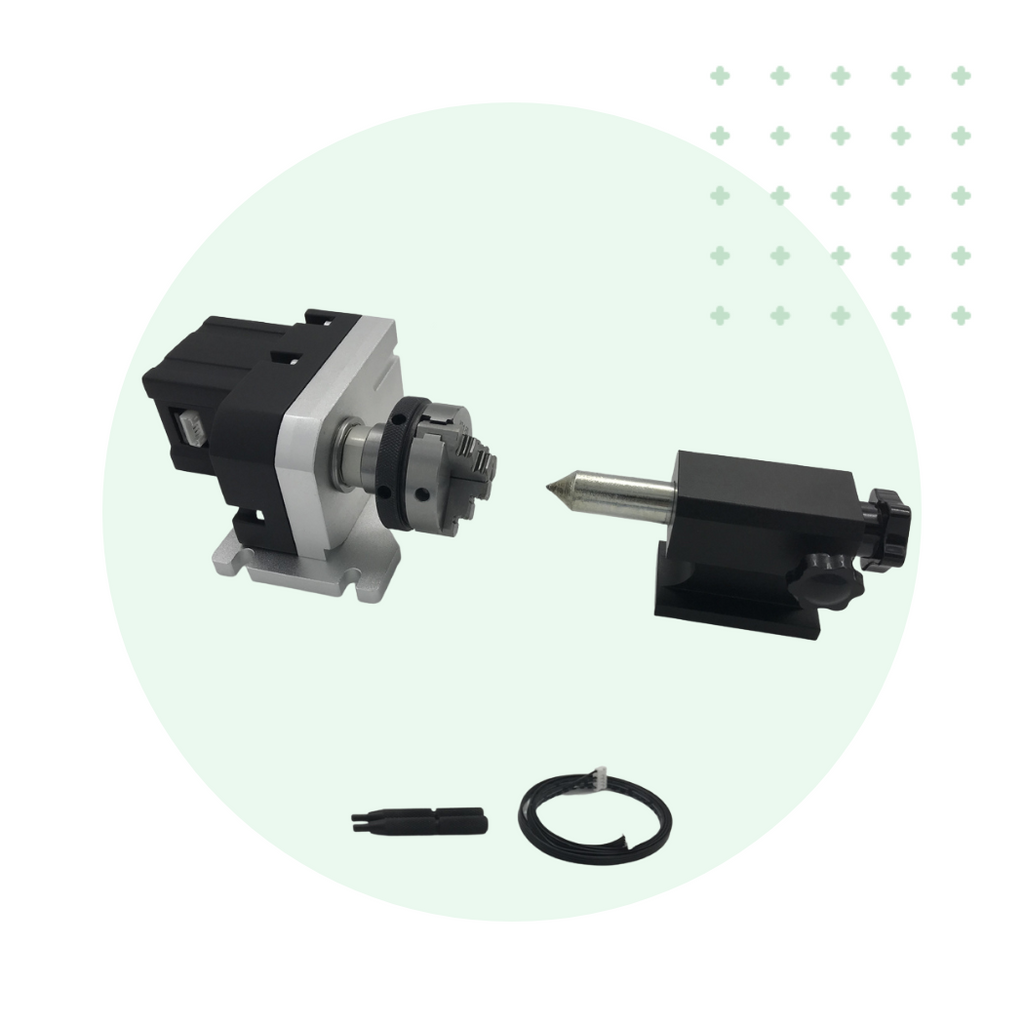
#2: 1x Free Yora Rotate Module For 1x Yora 6550 + 1x Yora Draw
#3: 1x Free Yora Filament Dryer For 1x Yora 6550 + 1x 3D Printer
#4: 1x Free Yora TLC Rotary For 1x Yora 3018 + 1x Yora 6550 + 1x Yora Draw
#5: 1x Free Yora 6550 Z-Axis, Drag Chain, Air Assist and 3D Led Lamp For 1x Yora 3018 + 1x Yora 6550 + 1x Yora 3D Printer
Terms Apply
Turn Your CNC Skills Into Side Income (Beginner Friendly Guide)


You don’t need a factory.
You don’t need years of experience.
And you definitely don’t need hundreds of products.
With the right CNC setup, you can turn simple projects into real side income — even if you’re just getting started.
Whether you already own a machine or you’re still exploring the idea, this guide walks you through a practical path from first cut to first sale.
1. Yes — You Can Make Money With a CNC (Even as a Beginner)

Most people don’t buy a CNC thinking, “I’m starting a business.”
They buy it because they want to make something real — a sign for their home, a gift for someone they love, a project that feels satisfying to finish.
And then it happens.
Someone sees what you made and says:
“Did you make that?”
Then a second question:
“Could you make one for me?”
That’s how side income usually starts. Not with a perfect plan — but with one small request.
2. Don’t Have a CNC Yet? Start With the Right Machine
If you don’t own a CNC yet, this part matters.
Because the truth is: your first machine doesn’t need to be “the best.”
It needs to be the right fit for the kind of projects you want to sell.
2.1 Choosing Your First CNC: What Actually Matters

When beginners get stuck, it’s often because they chose a machine without thinking about everyday reality:
- How much space do I really have?
- What materials do I want to work with most?
- Do I want to engrave, cut, or both?
- Can this setup grow with me?
In the beginning, practicality beats perfection.
2.2 Beginner vs Advanced Machines

A simple way to think about it:
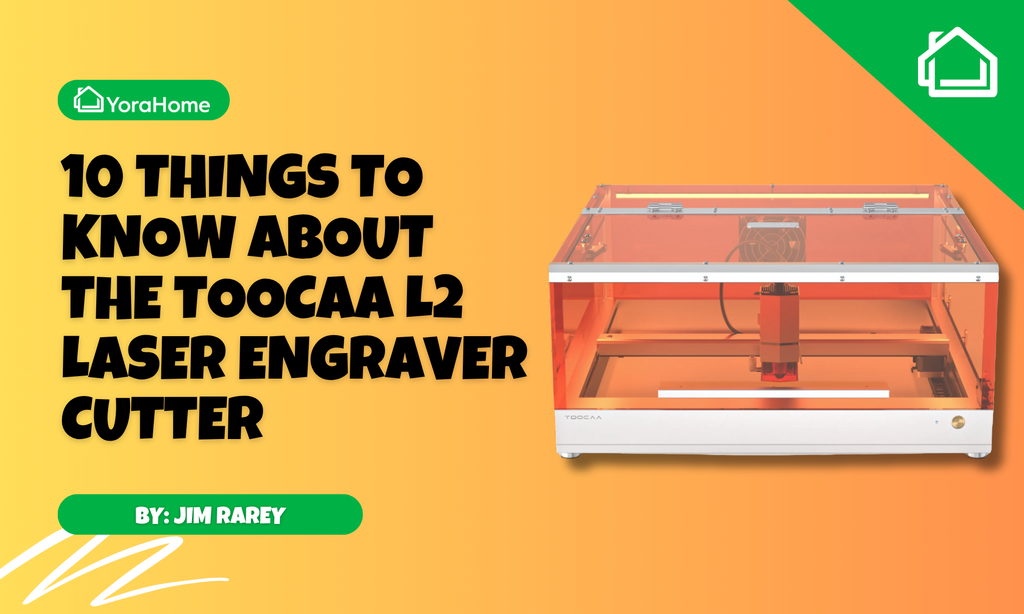
Beginner machines (diode 20W laser engraver cutters like the 6550 or the Toocaa L2, 3018-Pro CNC router) are for learning and smaller items — signs, plaques, keepsakes, coasters.
Advanced machines (80W-100W CO2 laser engraver cutters, benchtop cnc router) are for production speed, large builds, and scaling.
You don’t have to start advanced to sell.
You just start where your space and comfort level make sense.
2.3 How to Pick Based on Your Income Goals

Instead of asking, “Which machine is best?” ask:
What do I want to sell first?
- If you want to sell small personalized gifts, you don’t need huge workspace.
- If you want larger wall signs or layered décor, you’ll want more cutting area.
- If you want drinkware and round engraving, you’ll want a path toward rotary.
Pick the machine that matches your first 90 days — not your five-year dream.
3. What Most New Makers Get Wrong About Selling CNC Projects

Most beginners don’t fail because they aren’t talented.
They fail because they try to do too much too fast.
You Don’t Need a Perfect Workshop: A clean corner of a garage, a spare room, a small workbench — that’s enough to begin. What matters is consistency, not a “Pinterest workshop.”
You Don’t Need Advanced Skills: Some of the best-selling CNC products are simple. Straightforward designs sell when they’re personalized and finished well.
You Don’t Need Hundreds of Products: You don’t need a big catalog. You need two or three “winners” you can make confidently, price correctly, and repeat. That’s how you build momentum without burning out.
4. Beginner-Friendly CNC Products That Actually Sell
If you want your first sales, keep it simple and keep it giftable.
4.1 Personalized Signs & Wall Decor

Names, family signs, nursery décor, entryway pieces.
People buy these because they feel personal — and personalization is where beginners can win fast.
4.2 Engraved Gifts & Keepsakes

Photo plaques, message boards, engraved wood cards, small “memory” items.
These aren’t expensive to make, but they often feel high value to the buyer.
4.3 Tumblers, Bottles & Round Items

This is where people start saying: “Wait… you can do that?”
Round engraving opens a premium category — drinkware, jars, candle holders, gift sets.
If you want products that feel “pro,” rotary projects are a great direction.
4.4 Small Batch Items

Small items like coasters, Keychains, Desk Gifts are underrated.
They’re fast to produce, easy to bundle, and perfect for markets or quick online sales.
They also help you practice finishing — which is what customers notice.
5. The Tools That Make Selling Easier (Not Harder)
Selling isn’t just about creativity.
It’s also about speed, consistency, and avoiding mistakes.
The right tools don’t make things complicated — they make things smoother.
5.1 Laser Upgrades for Faster Production

More laser power usually means fewer passes, deeper detail, and quicker turnaround. That matters when you’re making multiple orders instead of one project for yourself.
5.2 Rotary Modules for High-Value Products

Rotary modules or 4th axis accessories capability is one of the biggest “income unlocks” because it expands what you can sell — especially drinkware and round gifts.
5.3 Workflow Accessories That Save Time

The most profitable makers aren’t the most artistic. They’re the most consistent.
Dust control, airflow, and proper tooling reduce failed jobs, reduce finishing time, and help your products look clean every time.
5.4 Expansion Kits for Larger Orders

At some point, you’ll feel the limit of your workspace.
Expansion kits help you take on bigger signs and bigger designs without redesigning everything smaller.
6. A Simple Beginner CNC Selling Path

You don’t need a complex plan. You need a path you can actually follow.
- Start Small: Choose 2–3 products you can make confidently. Not ten. Get your process tight.
- Improve Your Workflow: When orders start coming in, you’ll feel what slows you down. That’s when upgrades and accessories pay for themselves — because they save time and prevent mistakes.
- Expand What You Offer: Once your base products sell consistently, add a second category: Round engraving, bigger signs, deeper laser work, bundled gift sets.
Growth should feel like a step — not a jump.
7. From Hobby to Side Income: What Changes

At first, CNC is fun.
Then you get that first paid request — and suddenly you care about:
- deadlines
- repeatable quality
- finishing consistency
- speed
That shift is a good thing.
It means your hobby is becoming reliable.
And reliable is what turns into income.
8. Ready to Turn Your CNC Skills Into Income?

If you’ve been wondering whether CNC can become side income, here’s the honest answer:
Yes — if you keep it simple, build consistency, and grow step by step:
1→ Start with the right machine (or the right foundation if you already own one).
2→ Pick a few products that people love to buy.
3→ Upgrade your workflow as demand grows.
Explore YoraHome CNC — and build your income path at your own pace.
Because the best side income isn’t the one that feels stressful.
It’s the one you can repeat.



Get The Freshest Content
Straight To Your Inbox
Join over 3,000 creators who receive premium content, exclusive discounts, and all the must-know info on a weekly basis.